
Endometriosis
First things first, this is not a page about periods, so don’t leave too soon.
This page is to educate and raise awareness for Endometriosis, which far too often gets dismissed as a bad period, but is actually a full body illness, impacting physical ability, quality of life and mental health.
So if you’re here because you suffer from endo yourself, you have someone close to you that does, or maybe you manage someone in the workplace that suffers and you want to better understand, then welcome 👋
ENDOMETRIOSIS
💛
AWARENESS
💛
ENDOMETRIOSIS
💛
AWARENESS
💛
ENDOMETRIOSIS 💛 AWARENESS 💛 ENDOMETRIOSIS 💛 AWARENESS 💛
WHAT IS IT?
When I first got told I had Endometriosis, no-one had really heard of it. Flash forward to now and when it comes up in conversation, if they don’t have it themselves, they know someone that does. It is a chronic condition and affects 1 in 10 women, in the UK that’s 1.5million people.
There are a lot of explanations out there and sure you could just ask chatgpt, but the way I always explain it to people is this;
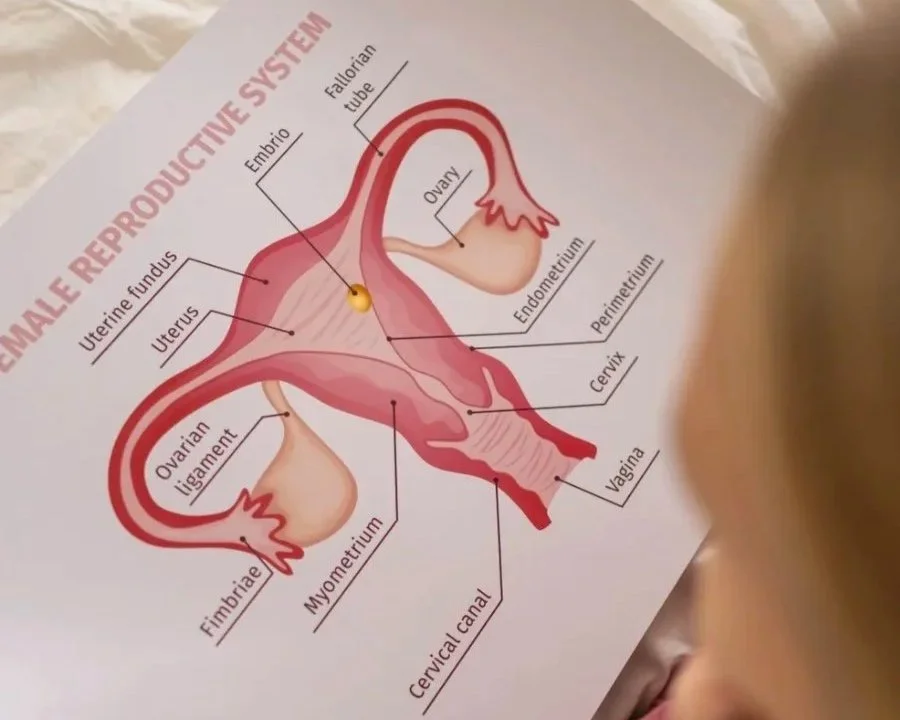
the lining of the womb is called the endometrium, and it is part of the endometrium which sheds every month, giving us our period. Endometriosis is when tissue from the endometrium, for unknown reasons, presents in other areas of the body. This tissue still sheds and bleeds every month, that’s its job, it doesn’t care where abouts in the body it is. This is the dangerous part, this tissue will grow, spread, become sticky, impact your nerve endings, it can cause your fallopian tubes to blister and twist and in some cases can result in organs sticking together. You’re a walking inflammation. This doesn’t just go away and come back every month, once it's there it’s there. It will continue to grow and get worse and due to the behaviour of the tissue, this is why periods can present more painful and why it gets dismissed as “just a bad period”. The only way to treat existing endometriosis is surgery, however, there is no cure, sooo… rinse and repeat.

SYMPTOMS
There are many symptoms related to endometriosis, some you may think obvious with others that may surprise you.
If you have an appointment coming up, I would recommend making a list of absolutely everything that you experience, even if you feel silly, even if you think it trivial or random, you may come to learn that its not as random as you thought, and has everything to do with endometriosis.
THIGH PAIN
SHOOTING PAIN FROM ABDOMEN TO THIGH
PAIN BEFORE/DURING BOWL MOVEMENTS
NAUSEA - BEFORE BOWL MOVEMENT, AFTER FOOD, OR AT ANYTIME
PAINFUL SEX
ABDOMINAL PAIN/DISCOMFORT AFTER SEX
BLOOD IN YOUR URINE
BACK PAIN DURING URINATION or ANY PAIN DURING URINATION
FEELING LIKE YOU NEED TO WEE A LOT
REGULAR UTIs - but antibiotics aren’t clearing it up
NIGHT SWEATS
PAIN IN BUTTOCK / HIP / GROIN
LEG WEAKNESS
SHARP, DEBILITATING PAIN IN ABDOMEN
DULL PAIN
LOWER BACK PAIN
FATIGUE - no matter how much sleep you get
BLOATING
DIARRHEA
CONSTIPATION
ABDOMINAL PAIN
PAIN WHEN YOU OVULATE
HEAVY PERIODS
BLEEDING/SPOTTING BETWEEN PERIODS
PAINFUL PERIODS - fun fact, your period SHOULD NOT be painful
BODY ACHES
FEELING LIKE EVERYTHING IS DRAINED OUT OF YOU, WITH NO MENTAL CLARITY
MIGRANES
FLU LIKE SYMPTOMS
REFERRED PAIN - DUE TO NERVE DAMAGE
STRUGGLING TO GET PREGNANT / INFERTILITY
Some of these are more common than others, and there are many more symptoms if endo presents in rare areas eg, chest, nose, brain etc.
Naturally, some of these symptoms could be a result of other things, which I appreciate the doctors may explore first to rule out. However, if the treatment for other health issues is not doing anything, and you have to keep going back, and your GP isn’t talking about endometriosis, then you need to!
Unfortunately, when it comes to endometriosis, you have to really advocate for yourself.
The spoon theory
An endometriosis specialist once told me that people with endometriosis are chronically fatigued because the body is constantly trying to fight something that it can’t.
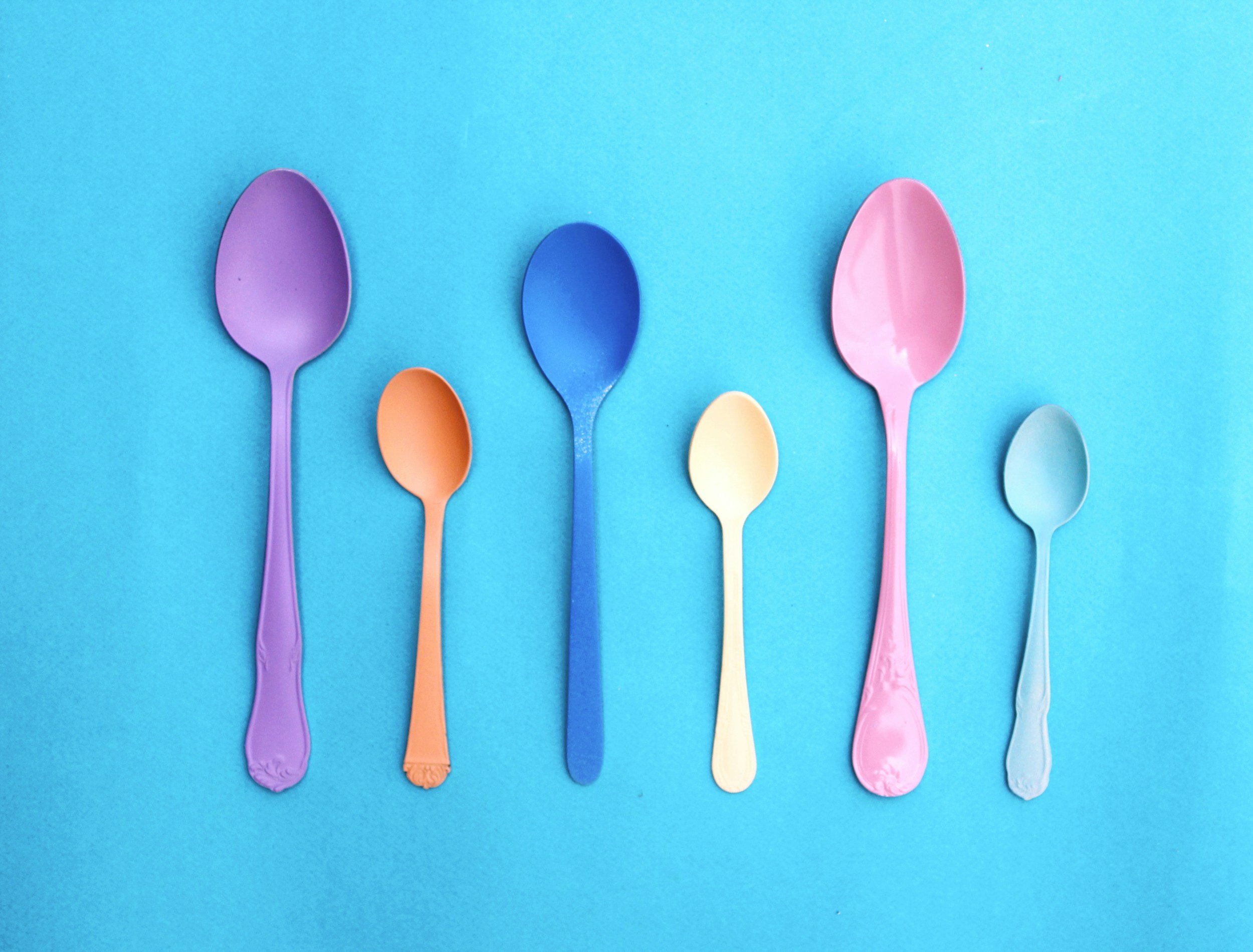
Spoon theory is a metaphor developed by Christine Miserandino to explain how people with chronic illnesses, pain, or limited energy experience and manage their daily lives.
The idea is that you start the day with a number of spoons and each spoon represents a unit of energy. A healthy person may wake up with 50 spoons, whereas, someone living with a chronic pain/fatigue condition like Endometriosis may only wake up with 12 spoons.
Let's say you wake up every day with 12 spoons.
Getting up may cost you 1 spoon, getting a shower may cost you 2 spoons, drying your hair 1 spoon, making breakfast 2 spoons, commuting to and from work 3 spoons, making tea 2 spoons. That’s already 11 spoons. Healthy people don’t need to think about it, they have enough spoons to get through the day and still have enough spoon energy to meet friends, go on date on night, walk the dog, go to the gym. People with chronic illnesses have to calculate their day and the activities they are going to choose. Do I have enough spoons to shower AND drive to work, or do I have to choose?. Once the spoons are gone, they are gone, you can’t just push through, your body is done.
The problem with endometriosis is that physically, people look fine, but the spoon theory is the reality. They are not lazy or unmotivated. Hopefully this helps explain why people cancel plans, don’t text back, call in sick, want to always sit down in the night club (if they made it there in the first place), struggle to show up for the partner romantically.
This type of lifestyle is the reason why endometriosis is so much more damaging to every day life and is so much more than just a physical illness. Over time it can break down relationships, ruin friendships, lead to job loss.
Don’t be so hard on your endo friend, reach out.
For more information, support, or to help raise money towards Endometriosis, please visit